MedNexus
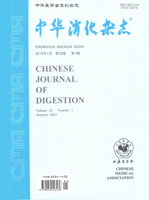
2016年 · 第36卷第06期
MedNexus
Bile reflux-related diseases in the narrow sense mainly refer to diseases caused by pathological reflux of bile into the stomach or esophagus, causing inflammatory injury of gastroesophageal mucosa. Bile reflux in a broad sense should include fluid reflux in the duodenum such as pancreatic juice and intestinal juice. In addition to the common bile reflux gastritis and reflux esophagitis, the more serious harm of bile reflux is that it may cause gastric and esophageal mucosa from inflammatory damage to precancerous lesions and even cancer. Because of its pathogenicity and potential harm, bile reflux has gradually received clinical attention.
The effects of prolonged bile reflux on gastric and esophageal mucosa are unclear. Clinically, bile reflux to stomach and esophagus is very common. Pathological studies found that bile reflux may be related to intestinal metaplasia of gastric antrum mucosa. The research data show that bile reflux is not only related to reflux esophagitis, but also may be an important cause of Barrett's esophagus, and it is also related to the occurrence of esophageal adenocarcinoma. Therefore, it is of great clinical significance to clarify the effects of bile reflux on the esophageal and gastric mucosal barriers.
Gastritis is a histopathological diagnosis, which refers to the infiltration of inflammatory cells in the gastric mucosa seen under the light microscope. When various mechanisms cause damage to the gastric mucosa without significant inflammatory response, it should be called gastropathy.H.pyloriInfection is the most common cause of chronic gastritis, but other injury factors such as ethanol, NSAID and bile reflux can also cause gastric mucosa damage. The most widely used classification system for gastritis is the modified Sydney system[
GERD is a common clinical disease. A recent large-scale epidemiological survey in my country shows that about 3.1% of patients have GERD symptoms[
Bile acids are important components of digestive juices and play an important role in the process of fat metabolism. Primary bile acids are synthesized by hepatocytes, including cholic acid and chenodeoxycholic acid, which are combined with glycine or taurine respectively to form bound primary bile acids. The latter removes glycine and taurine in the terminal ileum and colon, and most of them are aspirated back into the blood. The unabsorbed part forms secondary bile acids under the action of intestinal bacteria, including deoxycholic acid, lithocholic acid and trace ursodeoxycholic acid. Some secondary bile acids can be reabsorbed through enterohepatic circulation. The process is involved in the digestion and absorption of a range of nutrients and affects the growth and reproduction of the gut flora. Bile acid reflux into the upper digestive tract, metabolic disorder in the intestinal tract, and stasis in the bile duct can all participate in the occurrence and development of digestive tract tumors, which should be paid attention to.
bile reflux gastritis (BRG) is an inflammatory reaction of gastric mucosa caused by excessive duodenal contents containing bile reflux into the stomach, which is one of the important causes of chronic gastritis. The New Sydney System of Chronic Gastritis classifies BRG as chemical factors from the etiological point of view, accounting for about 12.3% of the total number of chronic gastritis internationally. In recent years, the detection rate of bile reflux under gastroscopy is 16.4% in China[
Bile reflux, also known as duodenogastric reflux (DGR), refers to the reflux of duodenal contents such as bile, bile salts, hemolytic lecithin and pancreatic enzymes to the stomach. If reflux to the esophagus, duodenal gastroesophageal reflux (DGER) is formed. DGR can occur occasionally on fasting stomach and after meals, which does no harm to human body and belongs to physiological reflux. However, if DGR occurs too frequently, the reflux time is too long, and the reflux volume is too large under certain pathological conditions, it can lead to gastric mucosal damage and become pathological DGR, which is the most common pathophysiological phenomenon of the digestive tract.
Different etiologies and mechanisms of bile reflux have different clinical treatment methods and emphases. At present, it is generally believed that comprehensive treatment should be carried out for the symptoms caused by bile reflux and related diseases such as gastritis and gastroesophageal reflux, including etiological treatment, relieving symptoms and promoting the healing of injured mucosa. Subsequent maintenance therapy is aimed at consolidating efficacy and preventing recurrence. Among them, attention should be paid to non-pharmaceutical intervention treatment to change lifestyle, and efforts should be made to reduce gastric and esophageal reflux of alkaline duodenal juice including bile, such as avoiding lying position 1~3 h after meals, and reducing the intake of foods with high fat content to accelerate gastric emptying; The sleeping position adopts the left side position to prevent reflux; Quitting smoking and alcohol, avoiding spicy food and coffee, strong tea can reduce the occurrence of reflux, etc[
In 2014, the incidence and mortality of colorectal cancer in the United States ranked third among malignancies of different genders[
UC is a spontaneous, chronic colonic mucositis lesion of unknown etiology. In recent years, intestinal mucosal barrier function has been found to play an important role in the pathogenesis of UC[
In recent years, the incidence of acute pancreatitis (AP) is gradually increasing. In most cases, AP is mild, but about 15% to 20% of patients will develop systemic inflammatory response syndrome and multiple organ dysfunction syndrome, and then progress to severe acute pancreatitis (SAP). The progression of AP depends on a series of inflammatory response processes after pancreatic acinar cell injury, including the release of various pro-inflammatory factors, such as IL-1 β, IL-6, IL-8, TNF-α, etc[
Curcumin is an active ingredient derived from the rhizome of turmeric. It is used as a medicine in India and China, and it is often used as a flavoring in India. The restrain cancer cell effect of curcumin has been demonstrated at the cellular level and in animal studies, and it has a wide range of biological effects and can be applied to the treatment of many diseases. Curcumin can inhibit cancer cell proliferation and tumor angiogenesis, anti-apoptotic protein, induce apoptosis, protect host immune function, and has also been shown to act on multiple signaling pathways, inhibit transcription factors and many molecular targets simultaneously. Recent studies have also shown that curcumin can target tumor stem cells, and some clinical and experimental studies suggest that curcumin has a good application prospect.
Hepatic fibrosis is mostly secondary to chronic liver injury, which is a compensatory reaction in the process of liver tissue repair. It is characterized by excessive deposition of extracellular matrix such as collagen in the liver, which is the common pathological basis of various chronic liver diseases. At present, it is believed that liver fibrosis is reversible. Therefore, early diagnosis and quantification of liver fibrosis degree have important clinical significance for the treatment of chronic liver disease. Imaging examination has been widely used in clinical practice because of its objectivity, non-invasiveness, true reduction and repeatability. It is one of the simplest and easiest non-invasive methods to diagnose liver fibrosis at present. In recent years, with the development and application of new MRI technology, it is not limited to liver morphology examination, but also can strengthen the diagnosis and understanding of liver fibrosis from many aspects such as blood flow, elasticity, metabolism and function, and its role in the diagnosis of liver fibrosis is increasingly prominent. In addition to conventional T1-weighted, T2-weighted and enhanced MRI scans, there are many special sequences that can be used in the diagnosis of liver fibrosis. The new magnetic resonance techniques used in the diagnosis of liver fibrosis in recent years are reviewed.
本期目次