MedNexus
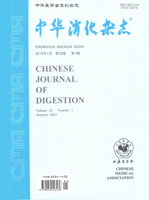
2015年 · 第35卷第03期
MedNexus
The latest statistics show that there were more than 1.36 million new cases of colorectal cancer worldwide in 2012[
Early detection, early diagnosis and early treatment of gastrointestinal tumors are beneficial to improving the quality of life and the cure rate of patients, and saving national health resources. With the development of endoscopic diagnosis and treatment technology, the detection rate of early gastrointestinal cancer and the proportion of endoscopic treatment are increasing constantly. Now, this paper briefly introduces the research progress of preoperative evaluation, operation methods and complications of endoscopic treatment of early gastrointestinal cancer.
In recent years, gastroesophageal junctional carcinoma (GJC) has become one of the focal points of controversy in the clinical research of digestive tract tumors, mainly in the classification, diagnosis and treatment strategies of tumors. The 7th edition of the American Joint Committee on Cancer (AJCC) Cancer Staging Manual removes proximal gastric carcinoma from the gastric Cancer chapter and divides it into the esophageal Cancer chapter[
Gastric cancer is a malignant tumor with the second largest incidence rate and the fourth largest mortality rate in the world. It is generally believed that the occurrence and development of gastric cancer undergoes multiple steps such as chronic gastritis, intestinal metaplasia (IM) of gastric mucosa, dysplasia, carcinoma in situ, invasive and metastatic carcinoma, etc. Among them, IM and dysplasia are also called precancerous lesions of gastric cancer. IM refers to a pathological condition in which gastric mucosal epithelial cells are replaced by intestinal epithelial cells. According to the difference of expression of small intestinal enzymes in IM cells, IM can be divided into complete type and incomplete type; According to the pathological morphology of IM cells, IM is divided into small intestine type and colorectal type; According to the proportion of IM cells in gastric gland cells, IM is divided into mild, moderate and severe. It takes a certain time for IM to evolve into gastric cancer, and intervention within this time will greatly reduce the incidence of gastric cancer or improve the early diagnosis rate of gastric cancer. Therefore, its prevention and control research has attracted increasing attention.
In recent years, due to the changes of dietary structure and living habits, the incidence and mortality of colorectal cancer in China have increased significantly. Timely treatment of early colorectal cancer can effectively improve the survival rate and quality of life of patients, and the key to achieving this goal lies in early detection and early diagnosis. Colonoscopy is an important method to detect early colorectal tumors, but the detection rate of early colorectal cancer in China is still not satisfactory, and the average detection rate of early colorectal cancer reported in the literature is less than 10%. In recent years, with the continuous development of endoscopic imaging technology, many mature technologies have begun to be applied to the diagnosis and treatment of early colorectal cancer and adenoma, including magnification endoscopy, endoscopic mucosal staining and narrow binding imaging (NBI) technology, which are helpful to improve the detection and diagnosis accuracy of early colorectal tumor, especially flat adenoma.
hepatocellular carcinoma (HCC) is a common malignant tumor in China, with high incidence and malignant degree. The International Agency for Research on Cancer (IARC) estimates that the global incidence of HCC in 2000 was 564,000, of which about 55% occurred in China. The pathogenesis of HCC is complex, and multiple signaling pathways are involved in tumor formation. Current studies have shown that Ras/Raf/mitogen-activated protein kinase (MAPK), WNT/β-catenin, epidermal growth factor receptor (EGFR), insulin-like growth factor receptor (IGFR), Akt-mammalian target of rapamycin (mTOR), Notch And Hedgehog have been associated with HCC formation. With the progress of basic research on HCC, the treatment of molecular targeted drugs has attracted more and more attention. Targeted therapy makes the main components of the drug selectively react with the target tissue and gather at the target site in high concentration, thereby achieving specific anti-tumor effect, reducing the killing effect on normal tissue and reducing the adverse reactions of human body. At present, a variety of molecular targeting drugs have been used in clinical practice, and the role of new molecular targeting drugs in HCC is now proposed.
China is a country with high incidence of esophageal cancer. The symptoms of early esophageal cancer are often atypical. Most patients have developed to middle and late stages when they see a doctor, and the 5-year survival rate of comprehensive treatment is low. The TGF-β/Smad signal transduction pathway plays an important role in tumor pathogenesis,SmadGene 4 is the center of signal transduction and gene regulation in TGF-β superfamily, and its promoter methylation may be related to the occurrence and development of esophageal squamous cell carcinoma, cardia adenocarcinoma, colon cancer, ovarian cancer and other tumors. In this study, the esophageal squamous cell carcinoma and normal esophageal mucosal tissues were examinedSmadThe expression of methylation in the promoter region of 4 genes, in order to exploreSmadRole of methylation of the promoter region of the 4 gene in the pathogenesis of esophageal squamous cell carcinoma.
Colon cancer is a common malignant tumor of digestive tract. With the change of people's diet and living habits, its incidence is increasing year by year. Studies have found that red blood cells play an important role in tumor immunity. Red blood cells are an important natural immune cell in blood circulation. There are many immune-related substances on the cell membrane (such as complement receptor 1, CD58, etc.). Red blood cell CD58 is the natural immune receptor of T lymphocyte CD2, which is the important material basis of natural immunity for red blood cells to regulate the immune function of T lymphocyte[
Pancreatic cancer is a common malignant tumor. In recent years, its morbidity and mortality are on the rise. Pancreatic cancer is difficult to detect in the early stage, especially when smaller pancreatic tumors fail to cause changes in the contour around the pancreas, and the imaging images of the mass are sometimes difficult to distinguish. Most patients are in the middle and late stage when diagnosed clinically, so early diagnosis is of great significance to the prognosis of patients. Imaging examination is one of the effective methods in clinical diagnosis at present, but there are different clinical understandings about the advantages and disadvantages of CT and MRI examination[
A 70-year-old male was admitted to the hospital on 29 September 2013 due to choking after eating for 4 months. The patient was in good health in the past. Four months ago, he had a choking feeling when eating, which was obvious when eating dry and hard food, and had no obvious feeling when eating thin and liquid food. At that time, he was not paid attention to it. In the past half month, the symptoms have worsened, and when eating thin liquid food, I also feel poor swallowing, and my body weight has been reduced. A barium meal examination of the digestive tract showed that the middle and lower segments of the esophagus occupied mass. Chest CT scan showed irregular thickening of the middle and lower esophageal walls, narrow lumen, no obvious enlarged lymph nodes in the mediastinum, and no obvious abnormalities in bilateral pleural cavities, suggesting esophageal cancer. Electronic gastroscopy showed that a tumor was seen in the middle and lower segments of the esophagus 29-32 cm away from the incisors. The surrounding mucosa was raised, the surface was ulcerated, uneven, the tissue was brittle, and it was easy to bleed when touched, blocking 2/3 of the esophageal lumen. Pathological biopsy diagnosed it as squamous cell carcinoma. The patient underwent esophageal cancer resection. During the operation, there was a mass of about 4.0 cm ×3.0 cm in the middle and lower segments of the esophagus, without external invasion. No enlarged lymph nodes were found under the tracheal carina or next to the left gastric artery. No mass was palpable by exploration of liver and spleen, and no distant metastasis was found. The esophageal mass was removed 5 cm above the tumor and at the cardia, and the lymph nodes under the tracheal carina, the left stomach, around the cardia, and the hilar were dissected. Postoperative pathological examination showed that the lower esophagus was 10 cm long, and an ulcer-shaped mass was found in the esophageal lumen 4 cm away from the upper margin, with a size of 4.0 cm ×2.5 cm ×2.0 cm. The section surface was gray-white and hard, and the gray-white tissue infiltrated the whole thickness of the esophageal wall. Surgical pathological examination (
At present, chemotherapy (hereinafter referred to as chemotherapy) is the best treatment for middle and advanced gastric cancer. The vast majority of chemotherapeutic drugs exert anti-tumor effects mainly by inducing DNA damage and interfering with DNA replication of tumor cells. In order to obtain a higher response rate, traditional chemotherapy administration is based on the maximum tolerated dose of the body, and kills tumor cells with the maximum intensity, but at the same time, it also produces cytotoxic effects on hematopoietic stem cells that proliferate actively in bone marrow. Therefore, after traditional chemotherapy, patients often need a recovery period of about 2 to 3 weeks. During this period, hematopoietic stem cells in bone marrow can recover well, but at the same time, surviving tumor cells will also proliferate, often accompanied by the development of tumor drug resistance. The reproliferation of surviving tumor cells and the drug resistance of tumor cells during traditional chemotherapy are the key factors that lead to the ultimate failure of chemotherapy. At present, traditional chemotherapy is widely used in clinic, but its efficacy is not ideal in curing tumors or significantly prolonging the survival of patients (especially those with advanced or pre-existing metastases). Therefore, finding a chemotherapy drug delivery mode that can avoid toxicity without reducing efficacy has become a hot topic of research and discussion nowadays.
According to the latest global cancer statistics, it is estimated that the number of newly diagnosed cases and deaths from colorectal cancer in the United States will rank third among both men and women in 2014[
The forkhead box (FOX) gene family is a large and versatile family of transcription factors that share a highly conserved forkhead domain[
本期目次